Make room for
your everyday.

Pick a place to start.

A kitchen index for exploring support. No personal meal plan or assessment.

Nourish Practice / Resource shelf

A small shelf of useful starting points.

These resources are practical worksheets within the preview. They offer general preparation rather than external health advice, dietary rules or a treatment programme.
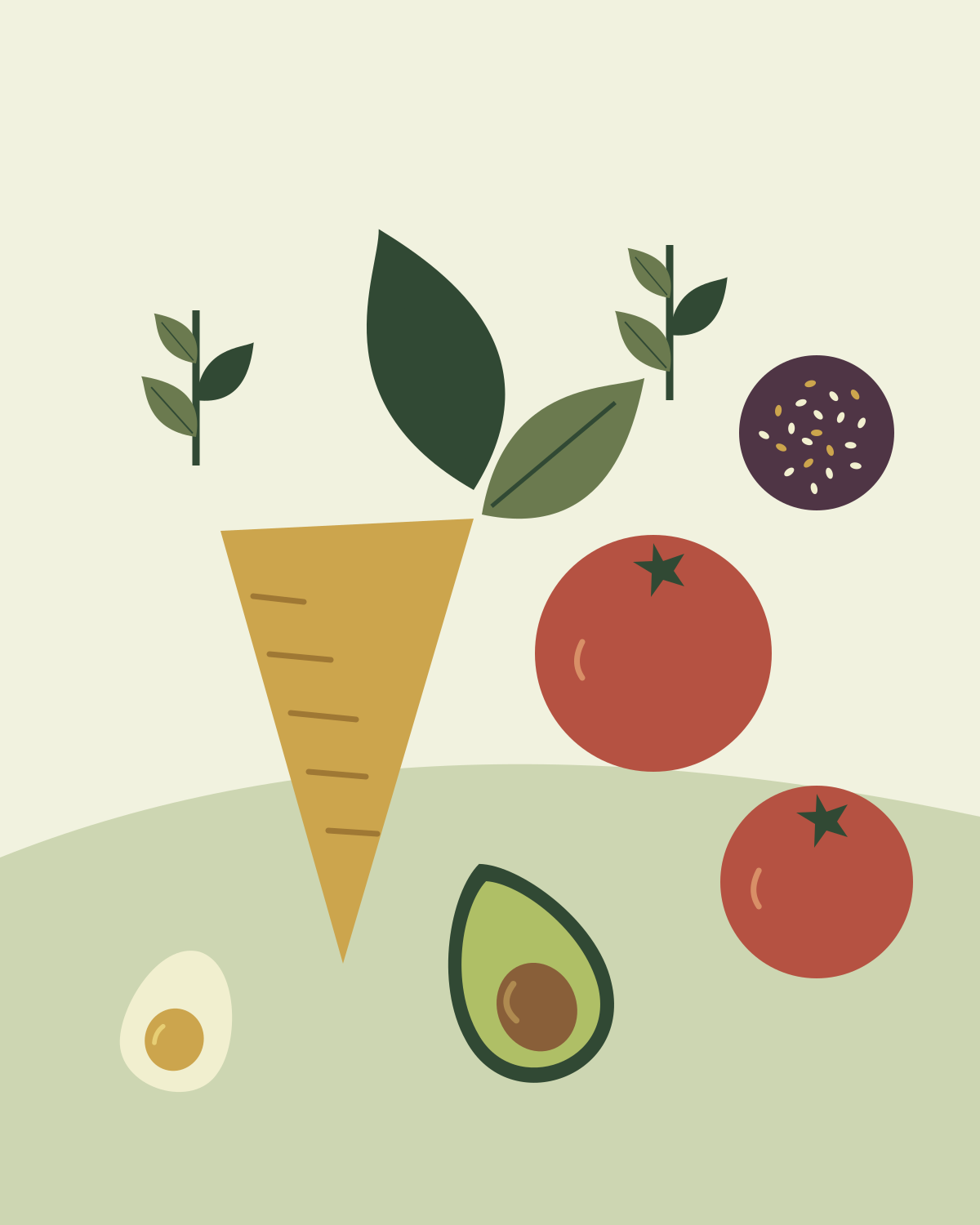
Illustration of everyday pantry ingredients
A cupboard study / Ordinary food context

Choose the page for the question

Food in an ordinary week

For noticing the role of cupboards, time and shared routines. Start here if you want simple prompts before writing anything.

Read everyday food

A one-day routine note

For capturing one food moment and the context around it. The journal turns your entries into a local text draft.

Use the journal

Before meeting a practitioner

For organising your question and checking the real service’s scope, terms and information arrangements.

Use the preparation checklist

Read food information with context

  1. Identify the source

    Look for who wrote the information, their relevant role and the purpose of the material.

  2. Check what the claim applies to

    General information does not automatically apply to an individual. A personal question may need an appropriately qualified professional.

  3. Keep the question open

    If a resource leaves you uncertain, note the claim and ask the practitioner to explain the evidence and relevance.

No hidden programme

There are no supplements, prescribed plans, diagnostic tools or paid downloads connected to this resource shelf. A live practice could add reviewed material with sources and dates once its professional scope is established.

Bring the question a resource raises.

A good first note can be a request to understand, without a conclusion already reached.

Prepare a question