Make room for
your everyday.

Pick a place to start.

A kitchen index for exploring support. No personal meal plan or assessment.

Practical nutrition. Ordinary days.

Pull up
a chair.

Start with your week, your meals, and the things you would like to make easier.

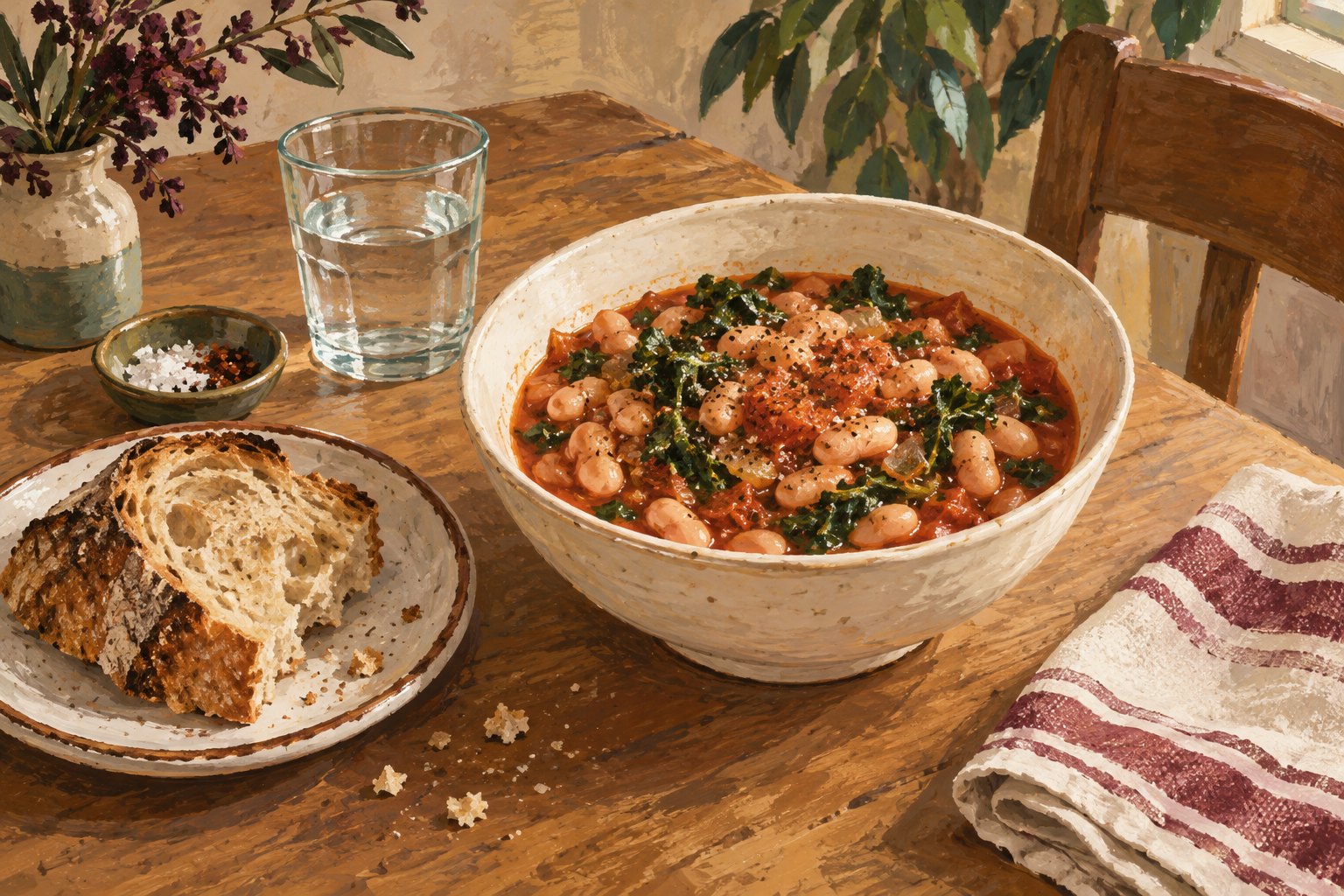
Tactile painted lunch bowl, ingredients and utensils on a kitchen table
An everyday table study · concept imagery

Begin with one ordinary day.

A fictional day at the kitchen table. Choose a familiar moment and put it into your own words, or skip the sample and start with your own question.

A sample routine, drawn to open a conversation. No meal plan or ideal day is suggested.

A changing start

In this sample, the first part of the day changes with work and travel. What makes your own morning easy or awkward?

Conversation topic: Finding a meal rhythm

Your routine, in your words.

Your writing stays on this page. Only the selected topic follows into the first conversation. Keep private health details for the practitioner’s agreed route.

Morning / Finding a meal rhythmPrepare my first conversation

This prepares a conversation. It makes no assessment, diagnosis, calorie target or health promise.
Useful ideas start
at your table.

A routine does not have to look like anyone else’s. The details of your own week are a useful place to begin.

The busy days.

Notice when there is time to cook, when there is not, and where a little preparation could help.

The familiar meals.

Start with ingredients you already use and food you enjoy. Bring that real picture to the conversation.

The people around you.

Shared meals, working hours and household routines all belong in the discussion.

Your first conversation

Come as you are.
Bring a question.

No perfect meal plan needed. A useful first discussion begins with listening and agreeing what support could look like.

Prepare a conversation note
  1. 1

    Your everyday

    What meals and routines look like now.

  2. 2

    Your questions

    What you would like help understanding.

  3. 3

    A clear next step

    The practitioner explains their scope and options.

Illustrated everyday pantry ingredients
A kitchen study · food inspiration, not a personal meal plan

Notes from an ordinary kitchen

Make room for
the practical things.

Take stock before making a list

What is already in the cupboard? Which meals do you return to? A few everyday examples help explain your starting point.

Time is an ingredient too

Think about travel, work and caring responsibilities. Useful support should begin with your actual week.

Ask who you will be talking to

A live practice should show the practitioner’s verified qualifications, scope, fees and contact details clearly.

Your conversation note

One small
starting point.

Your focus: finding a meal rhythm.

This fictional practice does not provide an assessment, medical advice or a personalised plan through this preview. Please use general examples only.

Selected sample direction: Morning Conversation topic: Finding a meal rhythm

Nothing is sent. Your note stays on this page.