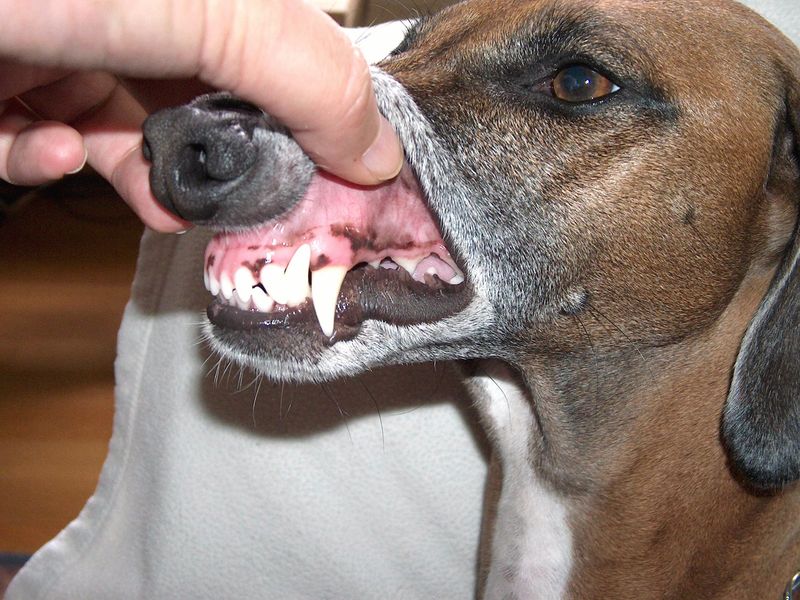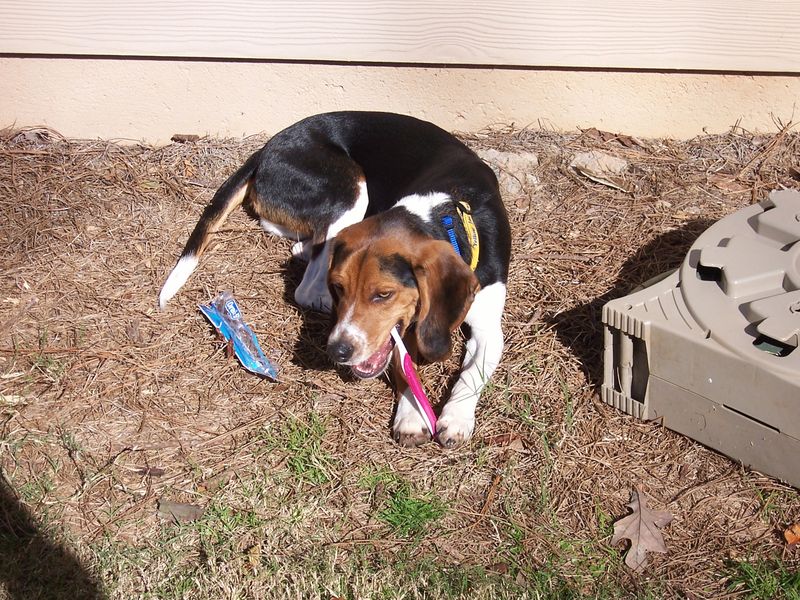
Tooth brushing only works if it stays boring. For the first days, touch the lips and the side of the face, then stop and offer a small everyday reward. Do not prize the mouth open. A dog or cat who learns that mouths are wrestled will hide the next time you reach for them.
When touch is ordinary, add a pet toothpaste that your vet is content with, on a finger or a soft finger brush. Human toothpaste is not suitable. You do not need a perfect angle on every tooth in week one. A few seconds on the outer surfaces, done most days, beats a monthly argument.
Keep the session shorter than the animal’s patience. If they turn away, that is the end. Try again tomorrow. Puppies and kittens usually accept this earlier than adults, but an older animal can still learn if you go slowly and never turn it into a restraint contest.
Brushing does not treat disease that is already painful. Smells, drooling, pawing at the mouth, dropping food, or a new preference for soft food are reasons to book a dental check. Do not wait for a loose tooth to announce itself, and do not give pain medicines from your own cupboard while you decide.
Ask your vet to look at the mouth and to tell you whether home brushing is enough, or whether a clinic visit is the kinder next step. This page is general guidance. It is not a diagnosis, and it names no drugs.
Printable summary
- Start with touch around the mouth, not a long brush.
- Use a product made for that species, if your vet agrees.
- Stop while the animal is still calm.
- Bad breath or drooling needs a vet, not a stronger toothpaste.
Last reviewed: 11 March 2026. Reviewed by: [vet name to be completed]. Ask your vet before you change what you do at home.