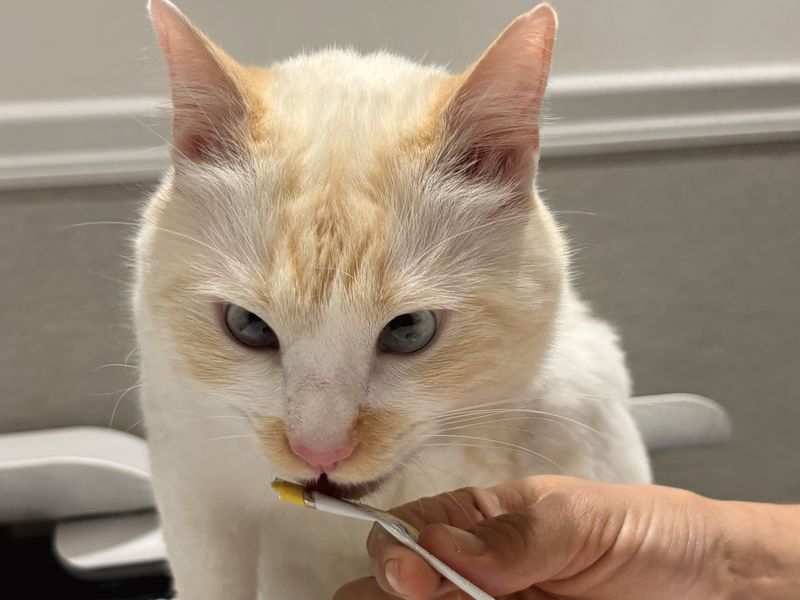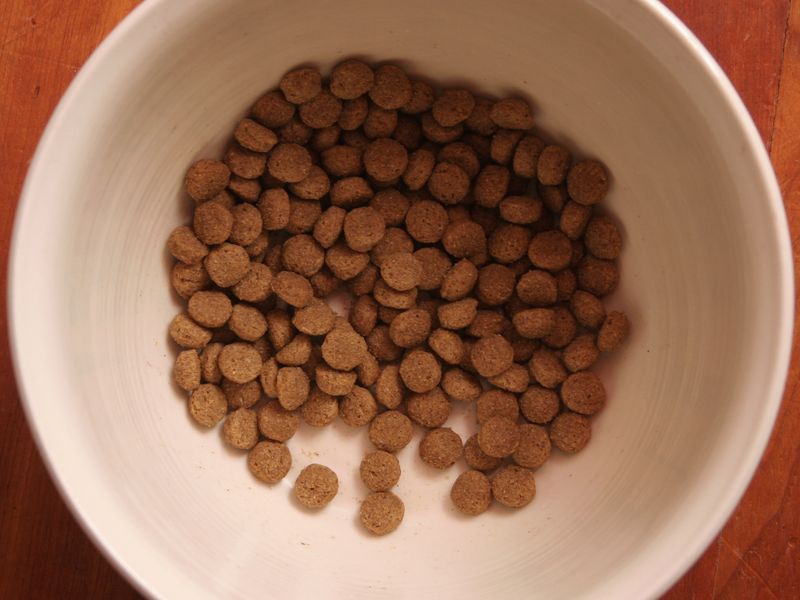
Most healthy animals do well on a straightforward complete food made for their species and stage of life. “Complete” means the food is meant to be the diet, not a snack beside the table. Read the life-stage line. A puppy food and a senior food are not interchangeable just because both feature a friendly animal on the bag.
Measure what you offer. The guide on the pack is a start, not a promise, because animals differ. Weigh the food for a week rather than judging the scoop by eye. Treats count. If training treats are a large part of the day, the bowl needs to be smaller, or the treats need to be pieces of the usual food.
Change foods slowly, over several days, mixing a little more of the new food each time. A sudden swap is a common reason for an upset stomach, and then it is hard to know whether the new food was unsuitable or simply sudden. Keep water fresh. Cats often drink more from a wide bowl or a fountain than from a cup beside the fridge.
Some animals need a diet chosen with a vet because of illness, growth, or a confirmed allergy. Do not put a healthy animal on a “special” food because a neighbour did. Do not add oils, vitamins, or minerals on top of a complete food unless a vet has asked you to. More is not kinder.
If appetite drops, weight changes without a reason, or stools stay loose, ask your vet. This note cannot choose a brand for you. It gives no doses and no diagnosis. Ask your vet before you commit to a diet you cannot keep buying.
Printable summary
- Use a complete food suited to the species and life stage.
- Measure, do not free-pour forever and hope.
- Change foods over several days.
- Ask your vet before a special diet.
Last reviewed: 18 March 2026. Reviewed by: [vet name to be completed]. Ask your vet before you change what you do at home.