We name the place.
Origin, region and process go on the card. If a lot is a blend, we say so. House Espresso is a blend. It is not a single farm with the name filed off.
Our story
Ember & Bean started because the coffee we wanted to drink was either a lecture or a brown liquid. We are still two people, a drum, and a short menu. The name is the roast and the cup. Nothing more symbolic than that.
Two café jobs and a borrowed one-kilo roaster in a railway arch. Mostly burned, occasionally promising.
First sack from Guji. We still buy through the same exporter, and we still ask before we change anything.
The Malt Yard counter opens. The drum moves into the room behind the pastry case so the roast and the drink stay in the same building.
Subscriptions, because people kept asking for “the one I had last Thursday” and we were tired of saying it had gone.
Still one drum. Still Wednesday roast day. The menu has not grown much, on purpose.
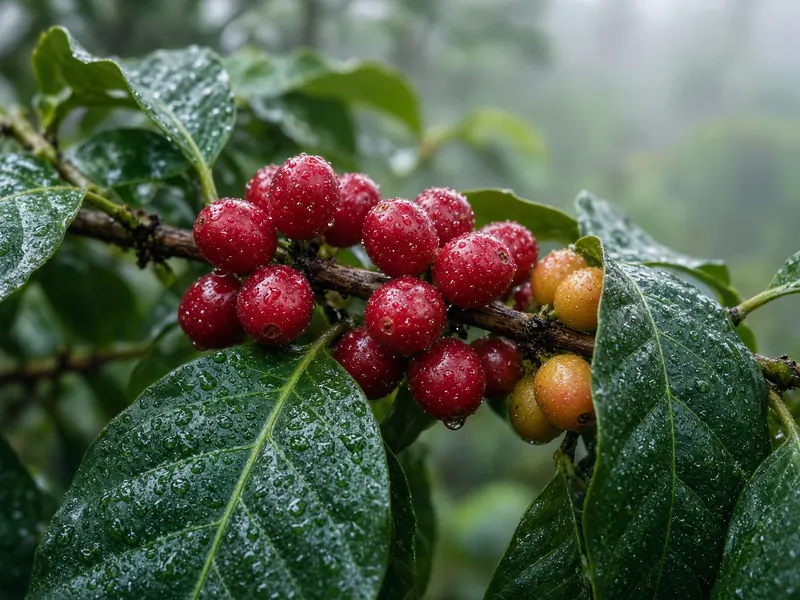
Sourcing
Origin, region and process go on the card. If a lot is a blend, we say so. House Espresso is a blend. It is not a single farm with the name filed off.
If a producer holds a certification, they can say so. We do not print a mark we have not been given. Most of our lots do not come with one, and the cup does not need the costume.
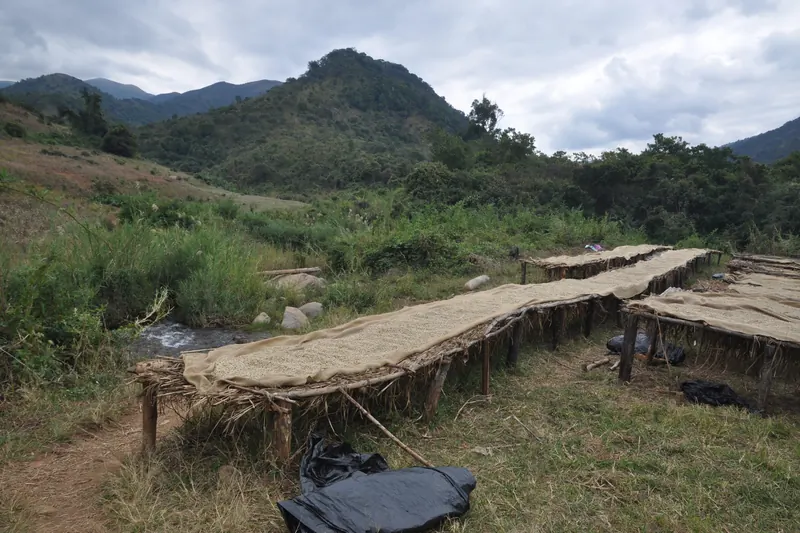
Ethiopia
Naturals, dried in the fruit. Bought through an exporter we have worked with since the first sack. We taste every lot before it is roasted for the bar.
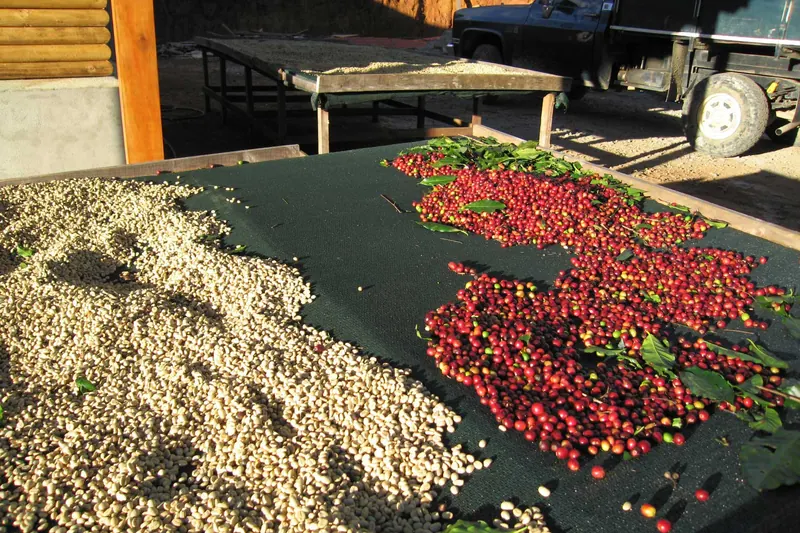
Kenya
Washed, and bought as a named lot rather than a regional blend. It is the bright cup on the filter bar when it is in.
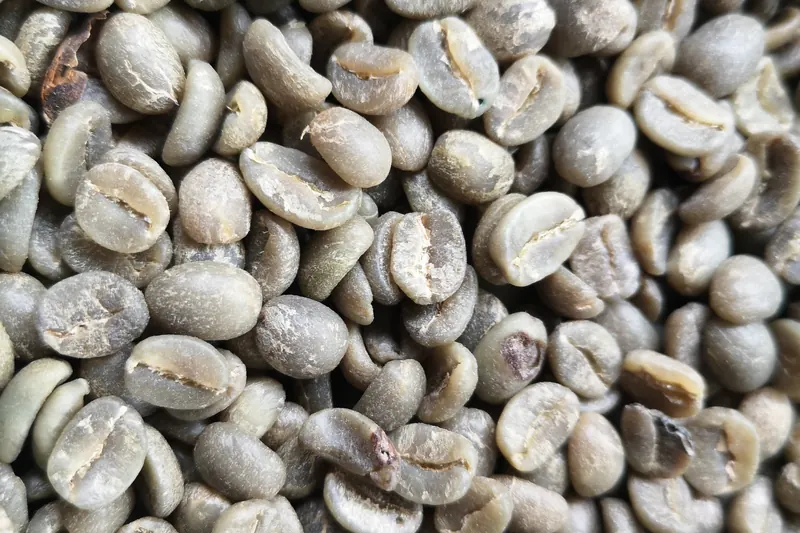
Colombia
One washed coffee for the weekday filter, and a smaller anaerobic lot when the harvest gives us something worth the fuss. The decaf is a Huila as well, decaffeinated before it reaches London.
Guatemala and Brazil
Antigua stands on its own. The Cerrado pulped natural is mostly there to give the house espresso its weight. We would rather tell you that than pretend every bag is a farm-gate story.
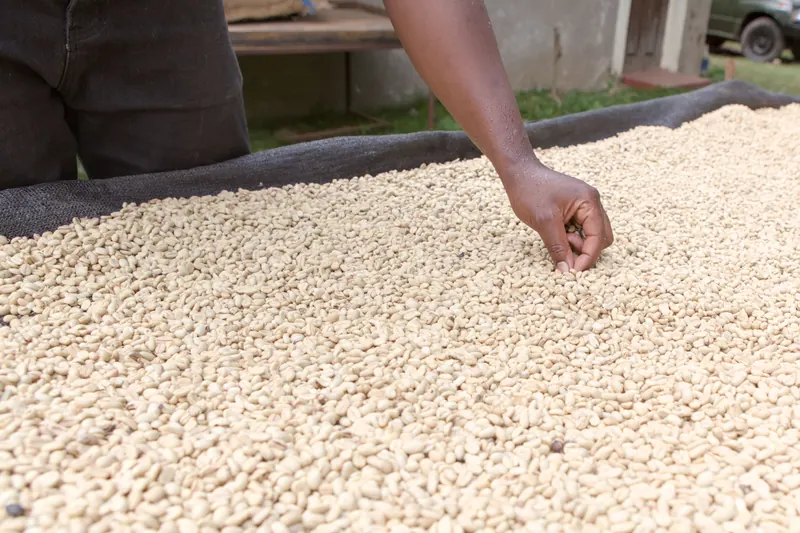
These photos are licensed from Wikimedia Commons to show the work in general. They were not taken at the farms named above.