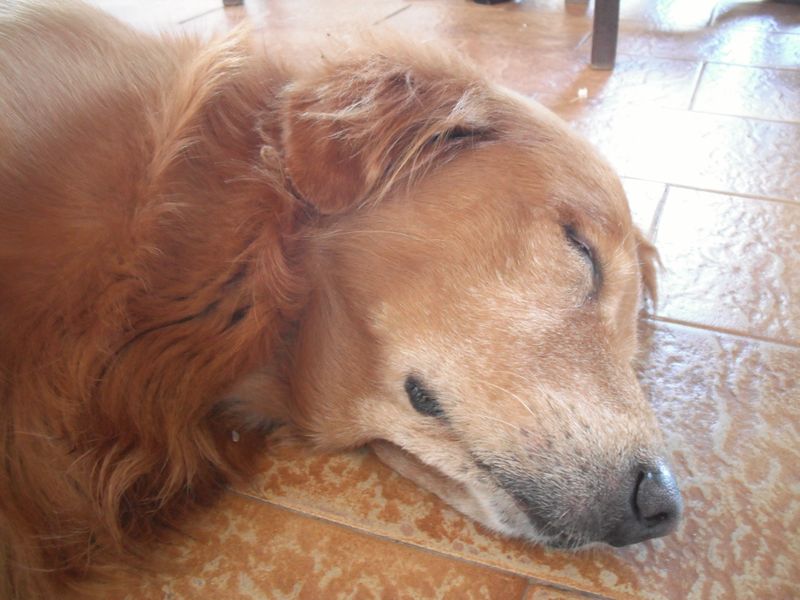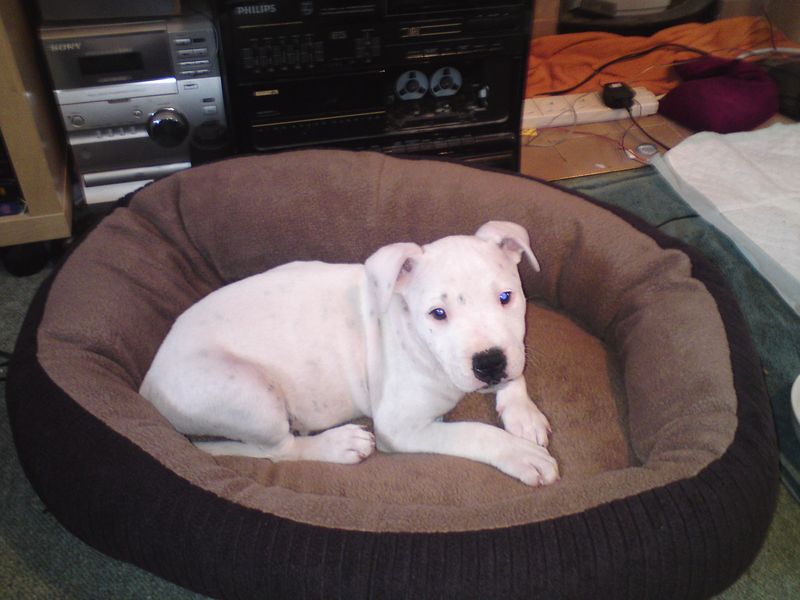
Comfort is mostly arrangement. An older animal needs a bed out of draughts, but also a way to move away if they get too warm. Place water where stiff legs can reach it, on every floor they use. Raise the bowl only if that truly helps, and not so high that a painful neck has to reach. Cats with sore joints often need more trays, not a lecture about missing the one in the cellar.
Grooming gets harder when bending is uncomfortable. Mats pull the skin and hide smell and sores. Gentle daily brushing, and a groomer or nurse who will stop when the animal has had enough, prevents a sedated clip from becoming the emergency plan. Nails that click and splay change how they stand. Ask the clinic to trim them rather than struggling with a slip and a pair of scissors.
Toileting changes matter. Straining, blood, accidents in a previously clean animal, or a cat who cries in the tray needs a veterinary visit. Do not decide it is “just age” and buy a different litter. Mention thirst in the same conversation. Write down roughly how often the bowl is empty.
Think about the day as they experience it. Can they reach you without stairs? Are children and other pets giving them a place to retreat? Is the garden secure if hearing and sight are fading? A radio is not a substitute for company, but a quiet house is kinder than a constant stream of visitors who want to say goodbye every weekend.
Quality of life is a conversation to have with your vet before the worst day, not a quiz on a website. Ask your vet what they would watch for. This note is general and cautious. It names no medicines, it does not diagnose, and the reviewer line on this page is still a placeholder.
Printable summary
- Offer warmth without trapping them in one room.
- Keep water and trays easy to reach.
- Watch nails, coat, and toileting.
- Talk to your vet about quality of life before a crisis.
Last reviewed: 9 April 2026. Reviewed by: [vet name to be completed]. Ask your vet before you change what you do at home.