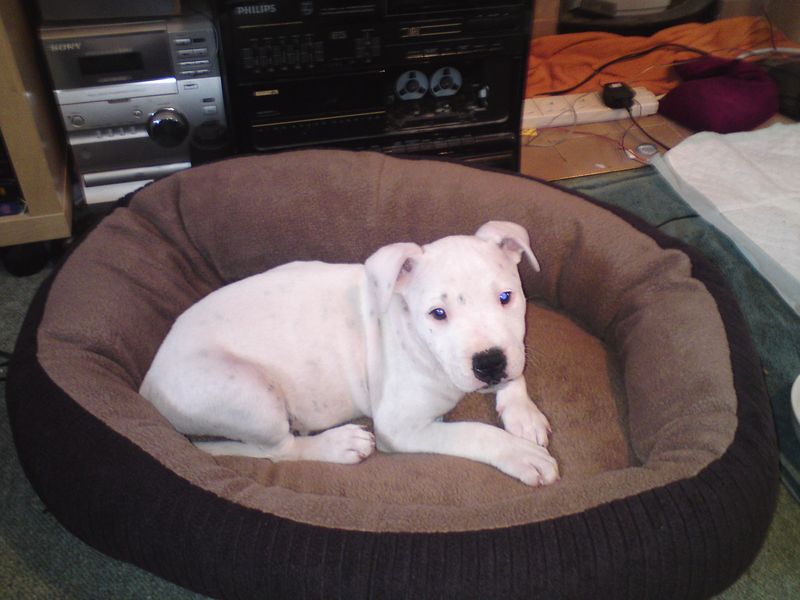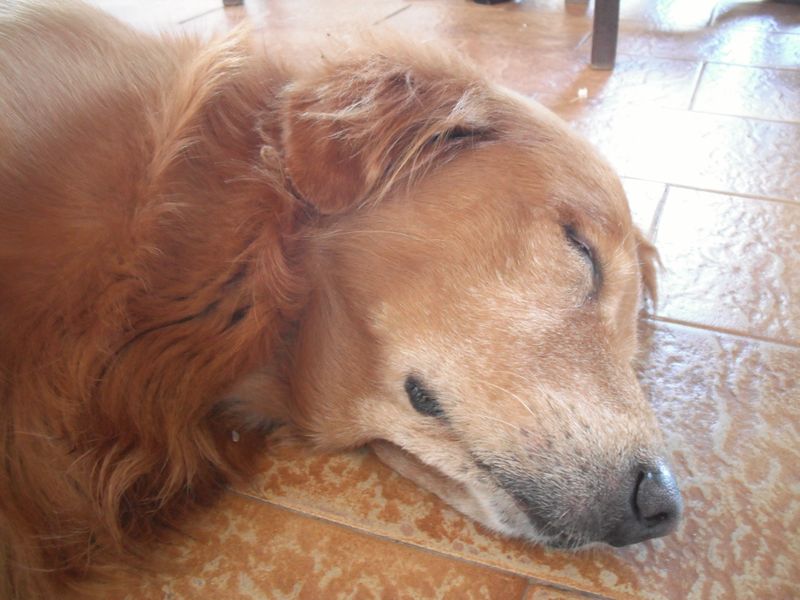
Ageing is not one event. An older dog who sleeps more, or a cat who jumps less, may be comfortable with a quieter life, or may be sore, nauseous, or losing sight. You cannot sort those apart from a blog post. What you can do is notice. Keep a week of notes: appetite, thirst, toileting, stiffness after rest, and whether they still greet you.
Change the house before you mourn the old routine. A ramp or a low step, a bed with a side they can lean on, food and water on the floor they actually use, and a litter tray with a lower lip. Non-slip mats help dogs who splay on kitchen tiles. Night lights help animals who seem unsure in the dark. None of this replaces an examination.
Keep exercise gentle and regular rather than saving it all for a weekend. Short walks, or short play, most days usually suit stiff joints better than one heroic hike. If they lag, stop. Carrying a small dog home is sometimes the right ending to a walk. Do not add supplements or pain medicines from a cupboard because a packet looked suitable.
Senior clinics are for this middle ground. Take the notes, the food details, and your questions about what is urgent. Ask what can be watched for a month and what should be seen this week. Sudden collapse, trouble breathing, straining to pass urine, repeated vomiting, or a dramatic increase in thirst should not wait for a routine slot.
Ask your vet to help you tell ordinary ageing from illness. This page is general. It must be reviewed by a qualified vet before a clinic publishes it, it offers no doses, and it does not replace a consultation.
Printable summary
- Note appetite, thirst, stiffness, and sleep.
- Make the house easier before you demand the old routine.
- Book a senior check rather than collecting supplements.
- Ask your vet which changes need a visit soon.
Last reviewed: 9 April 2026. Reviewed by: [vet name to be completed]. Ask your vet before you change what you do at home.