Manchester electricians since 1987 · NICEIC · Part P

Office 0161 496 220024-hour 0800 772 7514

  1. Home
  2. Advice

Advice

Notes from the van, not a content calendar.

Three pieces we actually hand to clients: what an EICR is for, when a rewire is worth paying for, and what a charger demands of the board. Safety tips sit under them.

Testing 4 min

What an EICR actually checks

A condition report is a survey of what is there. It is not a promise to rewire the house, and it should not read like one.

We start at the origin: cut-out, meter, tails, earthing, bonding to gas and water. Then every circuit is identified, insulation-tested, and the RCDs are timed. Access matters — if the loft hatch is painted shut, that limitation goes in the report rather than a guessed ‘satisfactory’.

Codes are the bit agents argue about. C1 is danger present, we isolate. C2 is potentially dangerous, it needs a repair before we’d call the installation safe. C3 is an improvement, not a fail. FI means we could not see it and someone has to open it up. A report that is all C2s on a twenty-year-old house with a metal board is usually a sales document.

You should be able to read the observations without a codebook. We attach photos. Remedial prices, if you want them, sit on a separate page so the report itself stays an inspection.
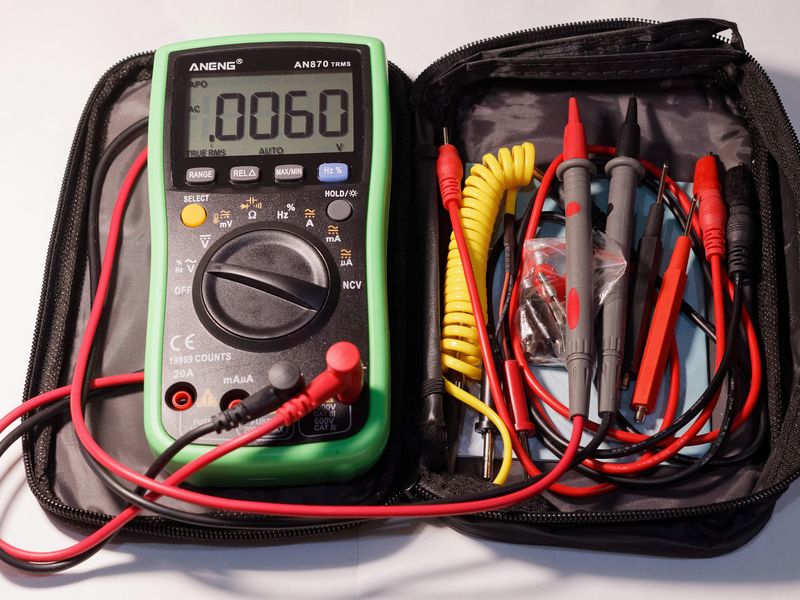
A green digital multimeter with red and black probes in an open carry case
Illustrative photo

Domestic 5 min

When a rewire is worth it

Age is a clue, not a verdict. Rubber cable and no earth is a rewire. A 1990s PVC installation with a tired board often is not.

We recommend a rewire when the cable itself is the problem: rubber or lead, no CPC on the lighting, damaged twins buried in still-wet plaster, or a ‘lighting circuit’ that is actually three houses of borrowed neutrals. A new consumer unit cannot fix cable that has no earth.

We do not recommend one because the board is brown, the faceplate is brass, or an online checklist said anything older than 30 years must go. Test it. If the insulation readings are healthy and the routes are sound, change the board, add RCD protection, and spend the rest of the budget on the kitchen you actually wanted.

If we do rewire, we say which rooms, how many days, and what you will live with overnight. A fixed price includes the making-good of the chases we open. Decorating the whole house afterwards is yours.

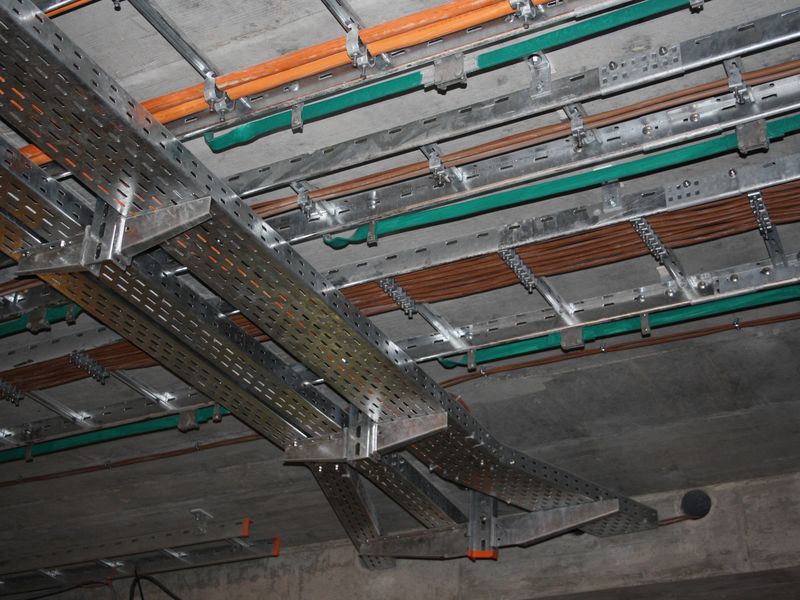
Cable ladders carrying cables along a concrete ceiling
Illustrative photo

EV 3 min

The board your charger will ask for

Most refused installs are not about the driveway. They are about a 60-amp cut-out and a board with no spare way.

Before a charger, we want the size of the supply, the earthing arrangement, spare ways, and what else runs for a long time — heaters, a hot tub, a heat pump. A CT clamp and load management solves a lot of 60- and 80-amp houses. Sometimes the answer is a supply upgrade, and we will say that before you buy the unit.

PEN-fault protection is not optional on most PME supplies. The cheap ‘just spur it off the garage socket’ install is the one that fails the first proper inspection, and it is the one we end up redoing.

If you already own the charger, tell us the model on the quote form. If you do not, we fit units we can get parts for next year. Brand logos on the front are less interesting than the warranty and the earth path.

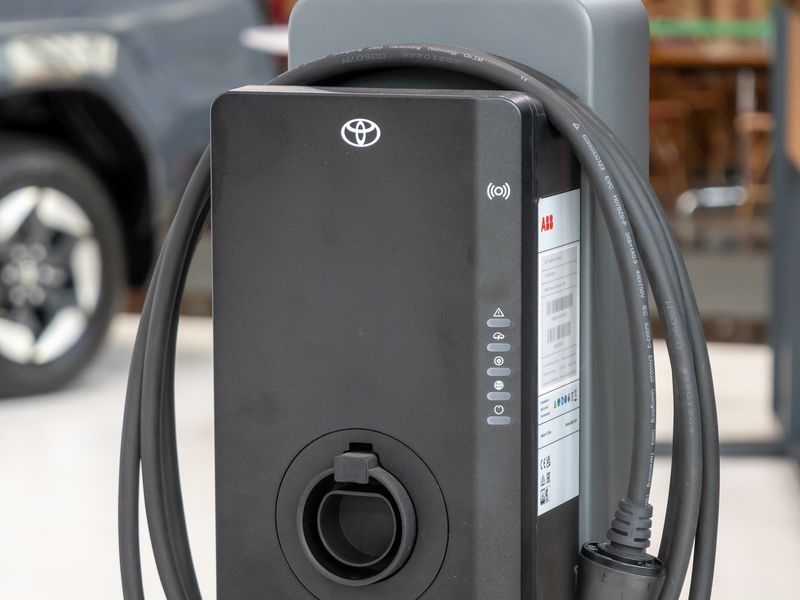
A black wallbox charger with a coiled cable mounted on a grey post
Illustrative photo

Electrical safety tips

Six things we tell every new client.

Fishy smell is not the bin
Warm plastic and a sweet or fishy smell near a socket or the board means insulation is cooking. Kill that circuit and call. Do not keep resetting.
Test the RCD, quarterly
The button marked T should drop the power. If it does not, the device that is supposed to save you is ornamental. Book a test, do not ‘leave it until the kitchen is done’.
Adaptors are not a circuit
A four-way block of four-ways behind the television is how ring mains overheat. If you need more sockets, we add them. It is cheaper than the skirting.
Bathrooms have zones
A pendant over a bath, a socket inside the splash, a pull-cord that is not actually a pull-cord. If a fitter ‘just put it where it looked right’, ask us to look before you tile.
Do not open the board
The cover is the easy part. The busbar is not. Consumer units are not a weekend job, and insurers are increasingly asking who signed the certificate.
Chargers need a survey
A wallbox is a 32-amp load that runs for hours. If we have not seen the supply, the cut-out, and the earthing, we have not quoted — we have guessed.

Certification badges

On call

Inner boroughs, day and night.

Office 8–5, Monday to Friday. The emergency line answers after that.

Get a quote