Our approach

Four stages. The line on the left keeps score.

Scroll the process. The progress line and the stage labels follow you. If you prefer less motion, the line still marks where you are, without the glide.

01

Discover

We sit with the brief, the politics and the numbers. Who must be in the room. What a good Tuesday looks like afterwards. What the budget will not stretch to.

  • Half-day intake with the people who can actually decide
  • A stakeholder map, including who can say no late
  • The point of the event written as one sentence
  • A ceiling, not a wish
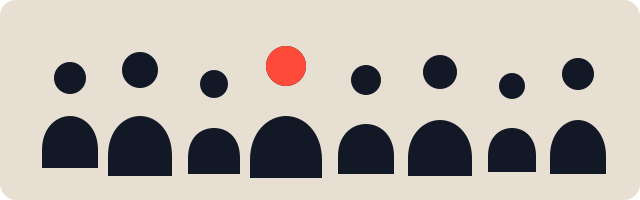
Diagram of a seated crowd drawn as simple silhouettes
Placeholder diagram. Swap this SVG when you have a real room photo — no pictures of real attendees without permission.

02

Design

Programme first, then the room. We shortlist three venues and recommend one, including the reason to reject the prettier option.

  • Session design with timings, not themes
  • Guest journey from invite to departure
  • Access planned at the same time as the stage, not after
  • A run of show the host has read aloud

03

Deliver

Production calls, a named on-site lead, and a showcaller who will stop a speaker. The floor should feel calm when the plan is not.

  • Rehearsal with the actual people, on the actual link if it is hybrid
  • A floor team who know the step-free route
  • One person allowed to change the running order
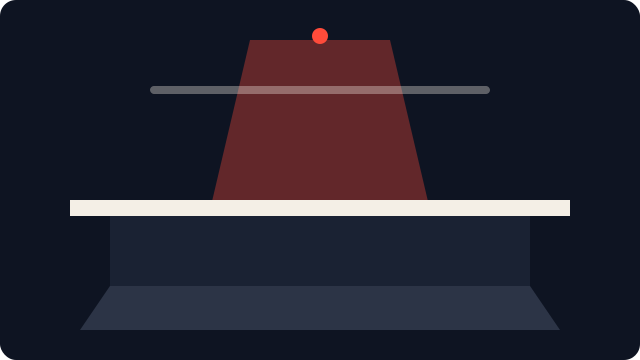
Diagram of an empty stage with a single spotlight
Stage diagram. Replace with a photograph of an empty stage if you have rights to it.

04

Debrief

Within ten days you get a short note: what landed, what we would not repeat, and the numbers you asked us to count. Not a 40-page souvenir.

  • What guests actually did, not what the run of show hoped
  • A view on whether to run it again
  • Costs against the ceiling we agreed

Next

Tell us the point of the day.

A proposal takes about four minutes. It stays on this device. Nothing is emailed — this is a demo.

Request a proposal